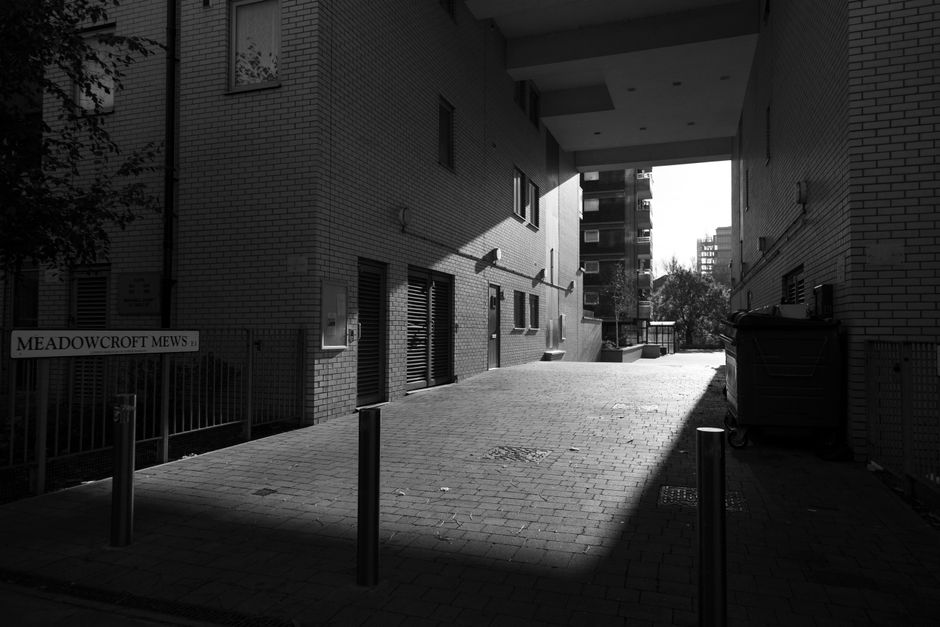
Neasden removal service narrow street access solutions
If you've ever stared at a narrow Neasden street and wondered how on earth a sofa, wardrobe, washing machine, and half a kitchen are meant to get out without drama, you're not alone. Neasden removal service narrow street access solutions are exactly what make awkward moves feel manageable rather than chaotic. The right approach is not just about having a van outside. It's about planning the route, choosing the right vehicle, timing the job properly, and protecting your property, your neighbours, and your back. Truth be told, a tight street can turn a simple move into a logistical puzzle very quickly. This guide breaks down how it works, what to expect, and how to make smart decisions before moving day arrives.
For broader context on service options, it can help to understand how a professional removal service is typically organised, especially when access is tricky and every metre matters.
Table of Contents
- Why Neasden removal service narrow street access solutions Matters
- How Neasden removal service narrow street access solutions Works
- Key Benefits and Practical Advantages
- Who This Is For and When It Makes Sense
- Step-by-Step Guidance
- Expert Tips for Better Results
- Common Mistakes to Avoid
- Tools, Resources and Recommendations
- Law, Compliance, Standards, or Best Practice
- Options, Methods, or Comparison Table
- Case Study or Real-World Example
- Practical Checklist
- Conclusion
- Frequently Asked Questions
Why Neasden removal service narrow street access solutions Matters
Narrow street access is not a small inconvenience. It shapes the whole move. In Neasden, you may be dealing with terraced streets, parked cars on both sides, tight turns, low-hanging branches, shared access ways, or a street that simply does not suit a large removal lorry. That changes the job from "load and go" to something more careful and methodical.
When access is limited, delays can stack up fast. If the van cannot stop close enough, movers may need to carry items further. That means more time, more handling, and more chances for scuffs or damage. If you've ever tried to pivot a mattress through a tight doorway while someone's waiting on the pavement with a tail-lift, you'll know the feeling. Not exactly glamorous, is it?
This matters for a few simple reasons:
- Safety: fewer risky lifts and less chance of blocking roads or footpaths.
- Speed: the right access plan keeps the job moving.
- Protection: better control means fewer wall marks, chipped furniture, and knocked corners.
- Neighbour consideration: quieter, tidier loading helps keep the peace on busy streets.
- Cost control: smarter planning often reduces wasted time and avoidable extra labour.
That is why the best removal teams do not just arrive and hope for the best. They assess the street, the property layout, and the likely pinch points before moving day.
Expert summary: In narrow-access moves, the real value is not the van itself. It is the planning behind the van - the vehicle choice, the carry distance, the parking strategy, and the order in which items leave the property.
If you are moving a flat, a maisonette, or a property with limited frontage, a service designed for awkward access is usually a better fit than a one-size-fits-all approach. In many cases, pairing this with flat removals expertise gives you a smoother experience, because flats often come with stairs, shared halls, and less curb space than people expect.
How Neasden removal service narrow street access solutions Works
A good narrow-street move starts before anyone lifts a box. The process usually begins with a conversation about the property, the road layout, and what needs moving. You may be asked about the number of rooms, any bulky furniture, whether the street has parking restrictions, and whether there is a safe place for the vehicle to wait.
From there, the mover decides how to approach the property. Sometimes a smaller van works best. Sometimes a larger vehicle can still be used if parking is available a short distance away. And sometimes the smartest move is a hybrid setup: a main vehicle parked safely nearby, with smaller loads moved by hand or via a second vehicle. Flexible, a bit old-school, but effective.
The main work usually involves a few practical steps:
- Access review: checking street width, turning room, building entrance, stair access, and loading points.
- Vehicle matching: choosing a van or truck that fits the road and the amount of furniture.
- Parking planning: identifying where the vehicle can stop without causing obstruction.
- Load sequencing: removing the largest or most fragile items in the right order.
- Protection setup: using covers, straps, blankets, and corner protection where needed.
- Carry strategy: planning the safest walking route from door to vehicle.
In practical terms, this means the crew may work a little differently from a standard suburban house move. You might see them take measurements, walk the route twice, or look for a better loading point round the corner. That's normal. In fact, it is a good sign.
For heavier or awkwardly shaped furniture, services such as furniture removals and even specialist piano removals can become relevant, because some items need more than brute strength. They need control, patience, and the right handling method.
Key Benefits and Practical Advantages
When narrow access is handled well, the move feels calmer. That sounds simple, but it changes everything on the day. Instead of everyone rushing and improvising, the crew follows a plan. The result is usually smoother, safer, and less stressful for you.
- Reduced stress: you are not scrambling to solve parking or loading problems in real time.
- Better item protection: fewer tight manoeuvres mean less chance of furniture damage.
- Cleaner workflow: the crew can load in a sensible sequence instead of shuffling things around.
- More accurate timing: realistic planning makes arrival and completion windows more dependable.
- Better local fit: the move is adapted to Neasden's real street conditions, not a generic template.
There is also a less obvious benefit: lower friction with neighbours and passers-by. On narrow streets, people notice if a move is blocking bins, driveways, or the pavement. A careful team keeps things moving neatly and with a bit of respect. That matters more than people sometimes admit.
Another practical advantage is that good access planning can help you decide whether you need a full removal team, a smaller van-based setup, or something in between. If you are comparing vehicle types, man with van and moving truck services are often discussed together, but they solve different problems. One is nimble. The other has more capacity. The best option depends on the street, not just the volume of items.
Who This Is For and When It Makes Sense
This kind of service is especially useful if your property sits on a road with limited access, limited parking, or tight turning room. That could be a top-floor flat off a side street, a terraced house with no driveway, or a home where the only workable loading spot is a short walk away.
It also makes sense if you have any of the following:
- bulky furniture that is awkward in narrow hallways
- a move-out date with limited flexibility
- shared access with neighbours or other tenants
- parking restrictions that make standard loading difficult
- delicate items that should not be carried long distances unnecessarily
- a mixture of boxes and furniture that needs a sensible loading order
For students, renters, and people shifting smaller loads, a compact setup can often be enough. That is where student removals or a smaller vehicle-led move may be a better fit than a full lorry. On the other hand, if you are moving a family home and the street is tight, the access challenge does not disappear just because the property is bigger. It can actually become more complicated.
If you are unsure whether the move needs specialist planning, ask yourself two questions: Can a vehicle stop legally and safely near the property? and Can larger items get out without repeated turns, lifts, or long carries? If the answer to either one is "not really," then narrow-street planning is not optional. It is the core job.
Step-by-Step Guidance
Here is a practical way to plan a Neasden move where access is tight. Keep it simple. Too many people overcomplicate the packing and underthink the street.
1. Measure the access points
Check the width of the road, the gate, the hallway, and any stairs or landings that larger items must pass through. You do not need engineering precision, but you do need a realistic picture. A quick tape measure and a bit of common sense go a long way.
2. Identify the parking or loading position
Work out where the vehicle can safely wait. Consider resident bays, dropped kerbs, corners, and whether another car is likely to block access. If the best spot is a short walk away, plan for that early rather than discovering it on moving day with boxes already stacked by the door.
3. Match the vehicle to the street
A smaller van may be the obvious answer, but not always. Sometimes one larger vehicle parked slightly away is more efficient than multiple small runs. The correct choice depends on the item mix, the access route, and the time available.
4. Pack by carry order
Put the items you need first near the exit and keep the heavy or fragile pieces easy to reach. A good load plan means less criss-crossing inside the property. It seems basic, but people forget this all the time.
5. Protect the route and the furniture
Use covers for sofas, blankets for corners, and floor protection where needed. In wet weather, which London likes to deliver with very little warning, this becomes even more useful. One muddy footprint in the hallway can become a whole cleaning job later.
6. Keep communication clear
Let everyone know which items are fragile, which items need disassembly, and which items absolutely must not be stacked under anything heavy. A few clear instructions beat ten rushed apologies.
7. Build in a small time buffer
Tight access often means the job takes a little longer than expected. That is not a failure. It is reality. A buffer helps you avoid panic if a neighbour parks badly or a stair landing is narrower than you hoped.
A sensible moving plan is less about speed and more about removing friction. That is the quiet secret here.
Expert Tips for Better Results
After enough moves in awkward streets, a few patterns become obvious. The smoothest jobs are rarely the ones where everything is perfect. They are the ones where someone planned for the awkward bits.
- Visit the access route at the same time of day if possible. A road that seems fine at 10 a.m. can feel completely different at school-run time or after work.
- Pre-clear the exit path. Shoes, coat racks, plant pots, bins, and loose mats all slow things down. Remove them early.
- Label the awkward items. Mark anything that needs two people, a blanket, or disassembly. Saves a lot of back-and-forth.
- Use smaller boxes for heavy contents. Narrow streets are not the place for overfilled book boxes. Your future self will thank you.
- Think in layers. Light items first, then mid-weight, then furniture, unless the route suggests a different order.
- Keep doors open only when needed. It sounds minor, but in a compact hallway every bit of space matters.
If your move is mixed - say, a few bulky items plus plenty of boxes - a general home moves service may be enough, but only if the team is comfortable adjusting to access issues rather than treating them as an afterthought.
One small but useful habit: do a final walk-through with your mover before loading begins. Just ten minutes. You will spot something silly you missed, like a shoe rack blocking the turn or a wardrobe door that needs to come off to avoid scraping. Annoying in the moment, helpful later.
Common Mistakes to Avoid
The biggest mistakes with narrow-street removals are usually not dramatic. They are small, avoidable, and surprisingly expensive in time or effort.
- Assuming the biggest van is best. More capacity is not always better if the road cannot handle it.
- Leaving parking decisions until the day. By then, the street may already be busy.
- Underestimating carry distance. A "short walk" can feel long when you are carrying a fridge.
- Forgetting about neighbours' access. Blocking drives or shared gates causes friction fast.
- Packing heavy boxes too large. They become awkward to carry through tight spaces and on stairs.
- Ignoring weather. Rain, ice, and wind all make narrow access tougher and slower.
- Not checking stair turns or landings. That lovely wardrobe may not pivot the way you imagined.
A particularly common one? People say, "It'll probably be fine." Sometimes it is. Often, though, "probably" is doing too much work. A few extra checks at the start are worth far more than an improvised fix at the kerbside.
Also, do not forget timing. If your loading window overlaps with peak traffic or school drop-off, even a perfect plan can become messy. That is not a reason to panic. It is a reason to plan earlier.
Tools, Resources and Recommendations
You do not need a warehouse full of equipment to handle a tight-access move well. But the right basic tools make a real difference.
| Tool or resource | Why it helps | Best use case |
|---|---|---|
| Furniture blankets | Protects wood, corners, and polished surfaces | Doorways, stairs, and tight turning points |
| Ratchet straps | Secures items during transport | Mixed loads and larger furniture |
| Hand trolley or sack truck | Reduces manual lifting for heavy boxes | Short carries on level ground |
| Floor covers | Limits dirt and scuffs inside hallways | Rainy days or soft flooring |
| Disassembly tools | Helps remove bed frames, table legs, or cabinet doors | Bulky items that will not pass through narrow gaps |
| Storage option | Creates breathing room if access and timing do not line up | Staggered move-outs or delayed key handovers |
If timing becomes tricky, short-term storage can be a useful pressure valve. It is especially handy when access is difficult and the property chain, handover timing, or cleaning schedule is not quite aligned. Not ideal, but sometimes very useful.
For larger household jobs, the right packaging also matters. A good pack can make a narrow move much easier because you are not dealing with loose handles, overstuffed boxes, or fragile items left exposed. That is where packing and unpacking services can help, especially if you want fewer surprises on the day.
If you are comparing vehicle or labour options, take a quick look at the general service pages for removal companies and the more flexible man and van model. The right choice usually comes down to access, load size, and how much hands-on help you want.
Law, Compliance, Standards, or Best Practice
For a narrow-street move in London, the key compliance issues are usually practical rather than dramatic, but they still matter. Parking rules, loading restrictions, access rights, pavement obstruction, and safe lifting practices all play a part. Exact requirements can vary by street and local authority, so it is sensible to treat road use as something to verify rather than assume.
Professional movers should work in a way that respects road safety, property safety, and manual handling best practice. That typically means sensible load weights, clear walking routes, suitable footwear, careful lifting, and enough crew to avoid unsafe solo handling. If a mover seems willing to drag a wardrobe across a narrow hallway without protection, that is not "efficient." It is a red flag, plain and simple.
It is also worth checking that your chosen provider has appropriate protections in place for the job. The useful pages on insurance and safety and the company's health and safety policy can help you understand how they approach risk. For broader trust signals, company background matters too, which is why some customers look at the about us page before booking.
Best practice in this kind of move is straightforward: keep access clear, avoid unsafe lifting, communicate any restrictions early, and be honest if the street simply cannot accommodate a large vehicle. A good operator will adjust rather than force the issue.
Options, Methods, or Comparison Table
Different moves call for different methods. Narrow streets do not always mean a tiny van, and a big van does not automatically mean better value. Here is a practical comparison to help you think it through.
| Method | Best for | Strengths | Limitations |
|---|---|---|---|
| Small van / flexible vehicle | Very tight streets, smaller loads, short-distance moves | Easier parking, better manoeuvrability, quicker in cramped roads | Less capacity, may need more trips |
| Standard removal van | Moderate access with a mixed household load | Good balance of space and practicality | Can be awkward if the street is especially narrow |
| Larger removal truck | Better road access, bigger homes, more volume | High capacity, efficient for substantial moves | May be hard to park or position in Neasden side streets |
| Hybrid loading approach | Complicated access with a larger volume of items | Flexible, adaptable, useful when no single vehicle fits perfectly | Needs more planning and coordination |
For some households, a smaller setup combined with a well-planned route is enough. For others, especially if there is more furniture than expected, a larger vehicle plus careful parking is the better call. And yes, sometimes the answer is not obvious until someone has actually stood on the street and looked up and down it properly.
If speed is critical, a same-day removals option may be worth exploring, but only if the access is feasible and the load is organised. Otherwise, the "same-day" part can become the stressful bit very quickly.
Case Study or Real-World Example
Imagine a second-floor flat in Neasden with a narrow road, parking on one side, and a tight stairwell inside the building. The move includes a bed frame, a sofa, a dining table, several boxes, and a washing machine. On paper, it sounds straightforward. On the ground, it is a little more interesting.
Rather than turning up with the largest vehicle available, the movers would first check where the vehicle could wait, whether the stair turns could take the bed frame intact, and whether the washing machine should be disconnected and moved separately. They might decide to park around the corner where the road is slightly wider, then use a trolley for the heavier box runs.
In a case like this, the win is not speed alone. It is rhythm. The crew keeps the doorway clear, loads the sofa first while the route is open, and saves the smaller items for the end when the packing flow is already established. A neighbour's parked car might complicate things for ten minutes. A quick pause, a changed carry route, and the job carries on. No drama. No broken banister. No loud banging at 8 a.m.
That kind of move also shows why preparation matters. If the washing machine hose was not disconnected until arrival, or if the stair landing had not been measured in advance, the team could lose time needlessly. Small details, big effect. That's the real lesson.
Practical Checklist
Use this checklist a day or two before moving.
- Confirm the street access and parking plan.
- Measure any tight doorways, hallways, or stair turns.
- Set aside items that need disassembly.
- Label fragile boxes clearly.
- Keep a clear exit path from the property.
- Check whether a smaller van would be easier than a larger one.
- Arrange floor and furniture protection.
- Plan for rain, especially in typical London weather.
- Notify neighbours if access may be temporarily affected.
- Keep essentials, documents, keys, and chargers separate.
- Review the provider's safety and insurance information.
- Leave a small time buffer so you are not rushing.
Quick reminder: if the move includes bulky furniture or several rooms' worth of items, it is usually better to over-prepare than to discover a problem at the kerbside with everyone standing around holding boxes.
Conclusion
Neasden removal service narrow street access solutions are about more than getting a vehicle near the door. They are about matching the right approach to a real street, a real property, and a real moving day with all its small complications. When access is tight, planning becomes the difference between a move that feels controlled and one that feels improvised.
If you take away one thing, let it be this: do not treat narrow access as a minor detail. Build your move around it. Ask the right questions early, choose the right vehicle and support, and keep the loading route clear. That usually saves stress, time, and a fair bit of muttering under your breath.
And if you want a broader look at costs and what drives them, the pricing and quotes page is a sensible place to start before you book. It helps set expectations properly, which is always a good thing.
Get a free quote today and see how much you can save.
Move carefully, plan well, and the rest tends to fall into place. Sometimes that is all a good move needs.
Frequently Asked Questions
What is a narrow street access removal solution in Neasden?
It is a removal plan designed for streets where parking, turning, or loading space is limited. The goal is to choose the right vehicle, loading method, and timing so the move can happen safely and efficiently.
Do I need a smaller van for a narrow street?
Not always. A smaller van often helps, but the best choice depends on the load size, parking rules, and whether a larger vehicle can stop safely nearby. Sometimes a slightly larger van parked a short walk away is actually more efficient.
How do movers handle parking on tight Neasden roads?
They usually look for the nearest legal loading or parking position, then adjust the carry route. Good planning also considers resident bays, single yellow restrictions, and the risk of blocking driveways or access points.
Can a removal service help if furniture won't fit through a narrow hallway?
Yes. A good team can often disassemble larger items, change the carrying angle, or plan a different exit route. In some cases, they may recommend moving the item in sections if that is safer.
Is narrow access more expensive?
It can be, depending on the extra time, labour, or vehicle changes required. That said, careful planning can sometimes keep costs down by reducing delays and unnecessary handling.
What should I tell the removal company before moving day?
Give them a clear description of the street, parking restrictions, access points, stairs, lifts, and any bulky items. The more accurate the details, the better the plan they can build.
Can I still book a same-day move with narrow street access?
Sometimes, yes. But it depends on how complex the access is and how quickly the load can be made ready. If the street is especially tight, a same-day booking may be possible only with a smaller, highly flexible setup.
What items are hardest to move through narrow access?
Large sofas, wardrobes, beds, pianos, washing machines, and heavy book boxes are often the trickiest. Anything bulky, heavy, or awkwardly shaped needs a bit more thought and protection.
How can I make the move safer for my home?
Clear the hallway, protect floors, remove loose items, and make sure the crew knows about fragile walls, banisters, or tight corners. Small protections at the start can prevent scuffs and knocks later.
Should I arrange storage if the access is too difficult on the day?
Storage can be a smart backup if the timing, parking, or property handover does not line up neatly. It is especially useful when you need to move in stages or cannot get everything out in one go.
What is the main mistake people make with narrow street removals?
The most common mistake is assuming access will be "fine" without checking it properly. In reality, a few measurements and a parking plan can prevent most of the awkwardness and wasted time.
How do I know if I need professional help rather than doing it myself?
If the street is tight, the furniture is heavy, or there are stairs and limited parking, professional help usually makes sense. It is not just about strength. It is about coordination, safety, and avoiding damage when space is tight.