Wembley Stadium removals for event moves and logistics
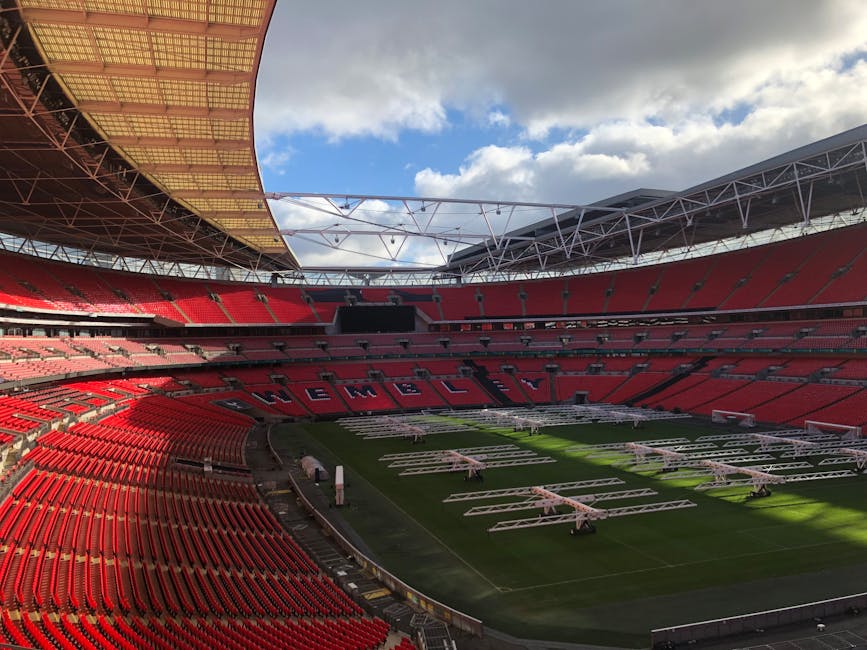
If you have ever tried to move equipment, stock, signage, or an entire event setup near a major venue on a live calendar day, you will know it is never just "a van job". Wembley Stadium removals for event moves and logistics is really about timing, access, coordination, and keeping everything moving when the roads, crowds, and venue rules are all pulling in different directions. It can be a tidy, well-run process. Or it can turn into a messy afternoon with a loading bay you cannot reach and a crew standing around looking at the traffic. This guide breaks down how it works, what to plan for, and how to avoid the common pitfalls that slow event moves right down.
For businesses, production teams, traders, hospitality operators, and organisers handling a move in or around Wembley, the job often overlaps with broader commercial moves, careful packing, and tight delivery windows. The good news? With the right preparation, a venue move can feel controlled rather than chaotic. Let's get into the practical stuff.
Why Wembley Stadium removals for event moves and logistics Matters
Wembley is not a normal pickup point. It is a high-footfall, high-security, tightly scheduled environment where even a small delay can ripple through the rest of the day. A missed unloading window can affect setup, staffing, rehearsals, or opening times. And once you are dealing with a live event schedule, there is rarely room to "just come back later".
That is why event logistics around Wembley need more than a standard moving service. You need a plan that considers access routes, venue permissions, vehicle size, parking restrictions, handball distance, and the time required to move items safely from the vehicle to the destination point. In real terms, that might mean bringing the right vehicle first time, splitting loads intelligently, and keeping the crew briefed so nobody is guessing on the day.
It also matters because event moves often involve awkward, fragile, or time-sensitive items. Think staging materials, branded furniture, catering equipment, AV kit, stock for a pop-up activation, exhibition assets, or backstage supplies. None of that likes being rushed through a narrow service route at the same time as everyone else is trying to get into the venue.
To be fair, the challenge is not just lifting things. It is orchestrating movement in a crowded place without losing time, damaging equipment, or upsetting the event timetable. That is the real job.
Expert summary: The best Wembley event removals are the ones that look boring on the day. No surprises, no guessing, no last-minute panic. Just a well-sequenced move that respects the venue and the clock.
How Wembley Stadium removals for event moves and logistics Works
A proper event move near Wembley usually starts long before a vehicle is loaded. First comes scoping: what is being moved, when it must arrive, where it must go, and how long loading and unloading are likely to take. From there, the move is planned around access and risk rather than simply around distance.
Most event logistics jobs follow a pattern:
- Survey the load and route. Confirm item sizes, weight, fragility, and any special handling needs.
- Check venue access rules. Determine whether there are delivery slots, height limits, security checks, or permit requirements.
- Match the vehicle to the job. A removal van may be ideal for a compact, quick turn. Larger equipment may need a moving truck or a more structured transport option.
- Pack and label properly. Event items often need room-by-room or function-by-function labels so crews can place them fast.
- Coordinate timing. Arrival windows, staff availability, rehearsals, road closures, and setup deadlines all need to line up.
- Unload with sequence in mind. Items needed first should be loaded last, or at least made immediately accessible.
In practice, the process can be as simple as a single load-in for a small sponsor activation or as complex as a staged delivery across several hours for a larger production. There is no magic trick. Good logistics is mostly calm planning and a few smart decisions made early.
A helpful side note: if you need packing support, it is worth looking at packing and boxes or packing and unpacking services so the team on site is not wasting time hunting for tape, labels, or the right size crate.
Key Benefits and Practical Advantages
Good Wembley event removals are not just about convenience. They protect the event itself.
- Less downtime: A coordinated move reduces waiting around for vehicles, staff, or access instructions.
- Lower damage risk: Proper lifting, wrapping, and load placement reduce breakage and scuffs.
- Better venue compliance: A planned arrival tends to go more smoothly through security and loading checks.
- Cleaner handovers: If items are labelled and sequenced well, set-up teams can get going faster.
- Reduced stress for organisers: When logistics are handled properly, you can focus on the event itself rather than the van door being stuck open in traffic.
There is also a commercial advantage that people sometimes overlook. A tidy move protects your reputation. For exhibition teams, hospitality suppliers, and brand activations, being the crew that arrives on time and looks organised matters. It sounds small, but it is not. The client notices.
If the job is broader than a single event drop, a provider that also handles removals or wider removal services can often adapt to the scale of work without making the process feel piecemeal.
Who This Is For and When It Makes Sense
This type of service is useful for a wide range of people. Some are obvious. Some are not.
- Event producers moving staging, technical equipment, or back-of-house materials.
- Exhibitors bringing display units, stock, literature stands, or branded furniture.
- Catering teams transporting equipment, prep items, and service materials.
- Retail and brand activation teams setting up short-term installations or pop-ups.
- Office teams relocating temporary project materials linked to a live event.
- Artists and production crews moving instruments, props, or delicate performance items.
It also makes sense when the move has one or more of these characteristics:
- the delivery window is tight;
- the venue access is controlled;
- the items are bulky or fragile;
- the route may be affected by crowd flow or traffic restrictions;
- you need both speed and care, not one or the other.
For smaller jobs, a flexible man and van style solution can work well. For more complex commercial work, something closer to office relocation services may be a better fit, especially if there are multiple departments or zones involved.
Step-by-Step Guidance
If you want Wembley logistics to run smoothly, use a proper sequence. Here is the version that tends to hold up in the real world.
- Define the move clearly. Write down what is going, where it is going, when it must arrive, and what must be unloaded first.
- Measure awkward items. Doors, stands, cases, tables, racks, and equipment all need checking. A tape measure saves arguments later.
- Assign responsibilities. One person should manage the move. Too many decision-makers on the day can slow everything down.
- Book the right vehicle. Choose based on access and volume, not guesswork. A compact vehicle may be more practical than a bigger one if the loading point is tight.
- Prepare the load. Wrap, pad, strap, and label items properly. Use good boxes, not flimsy leftovers from the office cupboard.
- Confirm timings in writing. Keep the arrival window, route, contact details, and unloading point documented.
- Build a buffer. Wembley traffic, security checks, and event-day pressure can all steal minutes. Sometimes more than minutes.
- Unload in order. The first items needed on site should be most accessible in the vehicle.
- Inspect before signing off. Check for damage, missing items, or anything left behind. Do not wait until everyone has vanished.
There is no glamorous part here. It is just good logistics. But that is what saves the day.
Expert Tips for Better Results
Here are the practical habits that make a noticeable difference, especially around a venue like Wembley.
- Build the move around access, not convenience. If the loading bay is awkward, plan for it. Do not hope it will "probably be fine".
- Label by function, not just by item. For example, "stage left tools", "catering first drop", or "media area" is more useful than box number 14.
- Use colour or zone coding. It sounds basic, but in a busy environment it really helps.
- Keep one emergency kit aside. Tape, cable ties, marker pens, gloves, and spare wrap can rescue a day.
- Load in reverse order. What you need first should be easiest to reach. Simple, but people still forget.
- Expect one small delay. Then you are not thrown when it happens. Usually it does happen. Around midday, often, because of course it does.
One more thing: use a team that understands both handling and timing. Heavy lifting is only part of the job. The rest is judgement. Knowing when to wait, when to split a load, and when to switch to a different access point can save you from a lot of noise.
If you are moving specialist or high-value items, you may also need a service such as piano removals or dedicated furniture removals. That is especially relevant for stage furniture, dressing rooms, and premium hospitality set-ups where the pieces matter as much as the schedule.
Common Mistakes to Avoid
Most event move problems are not mysterious. They are usually predictable, which is annoying, but also helpful because you can avoid them.
- Booking too late: Wembley events create demand spikes. Leave it too late and your preferred slot disappears.
- Underestimating load time: Packing a van is not the same as moving into position on site.
- Ignoring parking and access limits: A vehicle that cannot get close enough becomes a very expensive walk.
- Failing to brief the crew: If nobody knows what goes first, the unload gets slower by the minute.
- Overfilling the vehicle: Saves one trip, creates three problems. Sometimes four.
- Not protecting fragile items enough: Event kit often includes screens, lights, glass, branded items, and flat-pack displays that hate impact.
- Leaving compliance checks until the last minute: Insurance, access notes, and venue instructions should be sorted early.
One subtle mistake is assuming the same plan works for every event. It does not. A stadium sponsor activation, a media launch, and a temporary installation all need different thinking. The shape of the job changes, and so should the logistics.
Tools, Resources and Recommendations
You do not need a complicated toolkit to run a good move, but you do need the right basics.
| Tool / resource | Why it helps | Best used for |
|---|---|---|
| Label printer or strong marker pens | Keeps zones and priority items clear | Fast unloading and better coordination |
| Padding blankets and wrap | Reduces scuffs and impact damage | Furniture, screens, delicate kit |
| Boxes and crates | Makes stacking and sorting easier | Loose items, cables, accessories |
| Straps and ties | Stops items moving in transit | Mixed loads and uneven shapes |
| Route and access notes | Helps the team arrive at the correct point | Venue deliveries and time-sensitive moves |
If the move is part of a wider office or event setup, packing and unpacking services can reduce the workload on your own team. That matters when people are already stretched thin and nobody wants to spend an hour folding cardboard in a corridor.
For temporary overflow or staggered deliveries, storage can also be useful. Not every event item needs to arrive in the first drop, and keeping some stock off-site can give you a lot more breathing room.
Law, Compliance, Standards, or Best Practice
Event logistics around Wembley often touches safety, venue access, insurance, and general duty of care. While exact requirements depend on the venue and the job, a cautious best-practice approach is always sensible.
At a minimum, you should expect a responsible moving provider to take safety seriously, handle goods carefully, and communicate clearly about limitations. That includes having suitable vehicle insurance, using trained handlers where needed, and following sensible lifting practices. If a route, entrance, or drop-off point is restricted, the job should be planned around that rather than forced through it.
For larger commercial moves, it is also wise to look at the provider's own internal standards. Pages such as health and safety policy, insurance and safety, terms and conditions, and recycling and sustainability can tell you a lot about how seriously they treat their work.
On the client side, the best practice is simple: provide accurate information, be honest about the volume and weight of items, and share any access restrictions early. If the venue has a marshal, security point, or strict delivery process, pass that on. It saves a lot of back-and-forth later on.
Options, Methods, or Comparison Table
Different event moves call for different approaches. Here is a simple comparison to help you choose.
| Method | Best for | Strengths | Watch-outs |
|---|---|---|---|
| Man and van | Smaller event loads, short notice, quick turnarounds | Flexible, usually efficient, good for lean teams | May not suit bulky or high-volume jobs |
| Removal van | Moderate loads and structured transport | Balanced capacity and easy access | Needs careful load planning if items are fragile |
| Moving truck | Larger or multi-drop event logistics | Higher capacity, useful for bigger kit | Can be harder to park or position close to venue access |
| Full removal service | Complex commercial or venue-linked moves | More support, more coordination, less stress on client side | May be more than you need for tiny loads |
For many Wembley jobs, the sweet spot is somewhere between speed and structure. A man with a van arrangement can work very well for light to medium loads, while a larger setup might benefit from removal truck hire when volume, weight, or timing is more demanding.
Case Study or Real-World Example
Imagine a small hospitality team preparing for a stadium-side event. They need to move branded furniture, drink stock, point-of-sale materials, and a few delicate display pieces into a set-up area before the rush begins. Nothing enormous, but the timing is tight. Doors open later in the day, and the team has just one proper window to get everything in place.
Instead of sending everything in one unlabelled load, they split the items by function. The display kit is packed separately. Stock is counted and boxed clearly. Furniture is padded and loaded last, so it is first out. One person handles sign-off, another manages the on-site crew, and the driver knows exactly which access point to use.
The move is not flashy. There is no drama, which is kind of the point. A couple of minutes are lost to a queue near the venue, but the buffer absorbs it. The team unloads in order, sets up quickly, and avoids the scramble that often happens when boxes arrive all mixed together. By the time the event team is checking final details, the transport side is already out of the way.
That is the sort of job where planning earns its keep. A small move, yes, but with live-event pressure sitting right on top of it.
Practical Checklist
Use this checklist before the day of the move. It saves hassle. Honestly, it saves a lot.
- Confirm the exact delivery and collection times.
- Check venue access instructions and vehicle restrictions.
- Measure large, fragile, or awkward items.
- Label boxes, crates, and equipment by zone or function.
- Choose the right vehicle size for the actual load.
- Protect delicate items with wrap, blankets, or padding.
- Prepare contact details for the driver, venue lead, and on-site coordinator.
- Keep essential tools, tape, and markers accessible.
- Plan the unload order so priority items come out first.
- Allow for traffic delays and security checks.
- Review safety, insurance, and handling requirements.
- Do a final walk-through before the vehicle leaves.
If you need broader support beyond event transport, options like office removals, home moves, or student removals can be useful reference points for how a moving team structures different types of work. Not every move is the same, and that is perfectly normal.
Conclusion
Wembley Stadium removals for event moves and logistics work best when they are treated like a scheduling exercise first and a transport job second. If the access is clear, the load is prepared, the timing is realistic, and the team knows what matters most, the whole thing becomes far more manageable.
The key is not perfection. It is control. A little extra planning, a sensible vehicle choice, and a crew that understands venue movement can turn a stressful event-day transfer into a calm, professional handover. And when the day is done and the last crate is in place, that calm feels pretty good.
Get a free quote today and see how much you can save.
When the moving part is handled well, you get to focus on the event itself. That is the real win.
Frequently Asked Questions
What does Wembley Stadium removals for event moves and logistics actually include?
It usually covers the transport, handling, loading, and unloading of event-related items such as equipment, furniture, stock, displays, and production materials. In many cases it also includes planning around access, timing, and venue requirements.
Is this service only for large events?
No. It can be useful for small activations, short-term installs, supplier drops, and compact event loads as well. Smaller jobs often benefit from a flexible vehicle and a simple, well-coordinated plan.
How far in advance should I book an event move near Wembley?
As early as possible, especially if the event falls on a busy day. Wembley can create demand peaks and access pressure, so leaving it late reduces your options. For urgent jobs, same-day availability may still be possible in some cases, but it is not something to rely on.
What vehicle is best for event logistics?
It depends on volume, access, and the type of items being moved. A removal van may suit compact loads, while larger event equipment may need a moving truck or a fuller commercial setup. The best choice is usually the one that fits the access point cleanly.
Do I need packing support for event removals?
Not always, but it helps a lot when the items are fragile, mixed, or time-sensitive. Packing support can speed up the move and reduce damage risk, especially when boxes, labels, and protection materials are sorted properly beforehand.
How do I avoid delays on the day?
Confirm the route, access point, timing, and contact people in advance. Label items clearly, load in the right order, and allow a buffer for traffic or venue checks. The more accurate the brief, the less likely the day is to wobble.
Can this kind of move include furniture and specialist items?
Yes. Many event moves involve tables, chairs, display units, branded furniture, AV kit, or delicate equipment. For heavier or more awkward pieces, dedicated handling such as furniture removals or piano removals may be more appropriate.
What if I need temporary storage between event dates?
Storage can be useful when not everything needs to arrive at once or when items are being staged across multiple event days. It gives you flexibility and can reduce pressure on the main delivery window.
How do I know if a provider is suitable for Wembley logistics?
Look for clear communication, practical planning, and sensible safety standards. It also helps if the provider is transparent about insurance, handling, and terms. Those details matter more than fancy promises.
What are the biggest mistakes people make with venue moves?
The biggest ones are booking too late, underestimating access issues, failing to label items properly, and not planning the unload sequence. Each of those can be fixed with a bit of organisation, which is reassuring, really.
Can event removals be combined with office or commercial moves?
Absolutely. Many event logistics jobs sit inside wider commercial work, especially for brands, agencies, and production teams. If your move includes office materials, project stock, or equipment moving between locations, a provider experienced in commercial moves and office relocations is often the better fit.
What should I do on the morning of the move?
Do a final check of timings, access instructions, item labels, and contact details. Keep essential tools nearby, make sure fragile items are protected, and confirm who is responsible for sign-off on site. A calm start usually means a calmer finish.